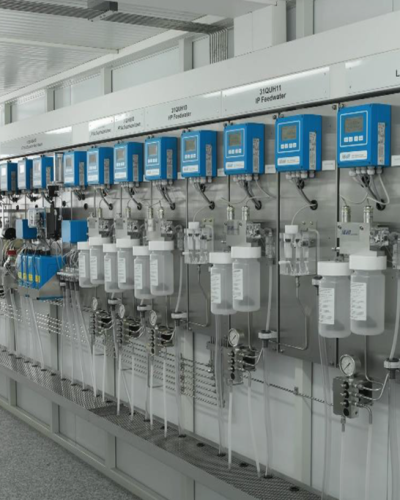
Shinetek Engineering provides customized Steam & Water Sampling Systems (SWAS) which provides safe, fast and accurate analysis. We are a total supplier and takes care of the whole process: from engineering to assembly and on-site support. In cooperation with global suppliers we can guarantee an international network of distributors that provide on-site service in your regional and have analyser expertise !
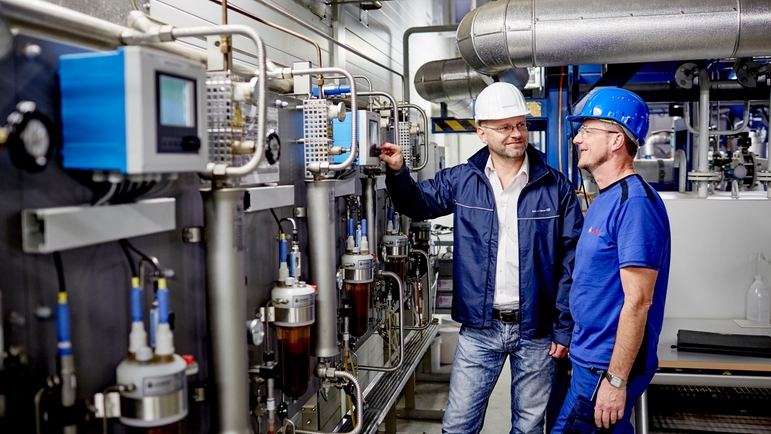
SWAS (Steam and Water Analysis System) Sampling System
Steam and Water Analysis Systems (SWAS) are used at power plants to automatically analyse and display critical information about the purity and condition of water and steam in the power cycle. The plant operators and chemists use the data from the analysers to ensure that they are maintaining the proper chemistry to eliminate or minimize corrosion damage to turbines, boilers, heat exchangers and piping and maximize efficiency and plant life.
Purpose and Importance of the SWAS System
The primary purpose of the SWAS system is to continuously monitor the purity and quality of steam and water. This helps prevent issues such as corrosion, erosion, and scaling, which can shorten equipment lifespan and cause significant operational and economic losses. The SWAS system minimizes these risks and ensures compliance with environmental regulations.
Components of the SWAS System
Sampling Points: Steam and water samples are taken from specific locations such as boilers, condensers, turbines, and other critical points. These points are strategically chosen to monitor the overall health of the system.
Sample Lines: Since samples are transported under high pressure and temperature, pipes and lines made of special materials are used. Stainless steel or nickel alloys are typically preferred.
Coolers: Steam samples are condensed using coolers before analysis. This is necessary to protect the analytical instruments.
Filters and Separators: These remove solid particles and gases from the samples, enhancing the accuracy of the analytical instruments and reducing maintenance needs.
Measurement and Analysis Instruments: Various instruments such as pH meters, conductivity meters, oxygen analyzers, and silica analyzers are used to analyze the chemical composition of water and steam.
Control and Data Collection Systems:
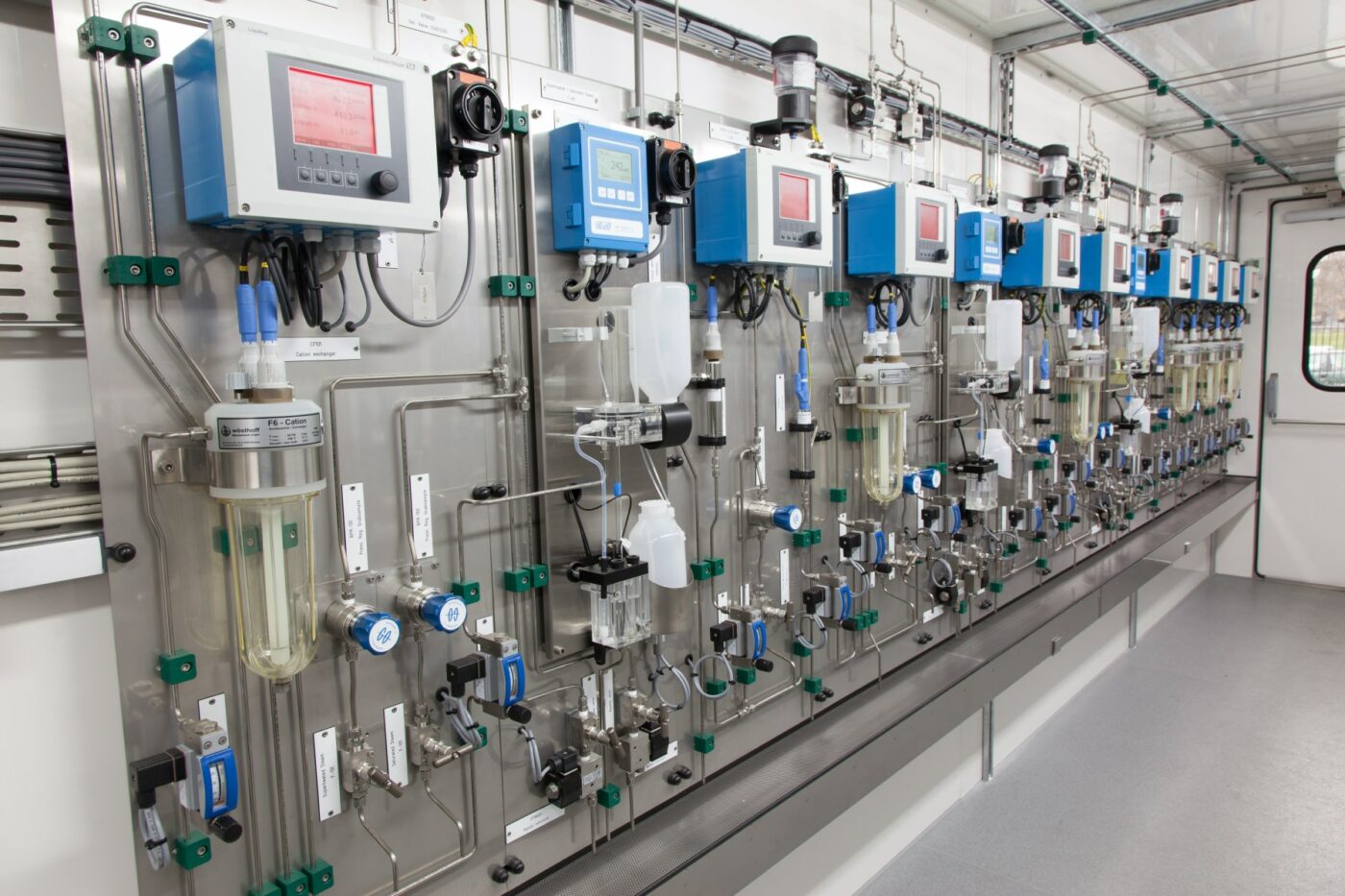
Automated control systems and data collection devices are used for continuous monitoring and recording of data. This allows operators to have real-time information about the system’s condition.
Sampling Process
Sample Collection: Water and steam samples are collected from the sampling points. During this process, the sampling lines and devices operate under appropriate pressure and temperature conditions.
Sample Preparation: Samples are brought to suitable temperature and pressure for analysis. This stage involves the use of coolers and pressure regulators.
Analysis: Prepared samples are directed to analytical instruments, and chemical and physical parameters are measured. Typical analyses include pH, conductivity, silica, dissolved oxygen, and chloride levels.
Data Collection and Monitoring: Analysis results are transmitted to control systems and recorded. Operators use this data to assess the system’s condition and make necessary adjustments.
Advantages of the SWAS System
Safety and Efficiency: The SWAS system ensures the safe and efficient operation of facilities. It extends the lifespan of equipment and reduces maintenance costs.
Quality Control: Continuous monitoring helps maintain high standards of water and steam quality.
Environmental Protection: Compliance with environmental regulations is ensured, minimizing environmental impact.
Preventive Maintenance: Potential issues are detected early, allowing for preventive maintenance and avoiding unexpected failures.
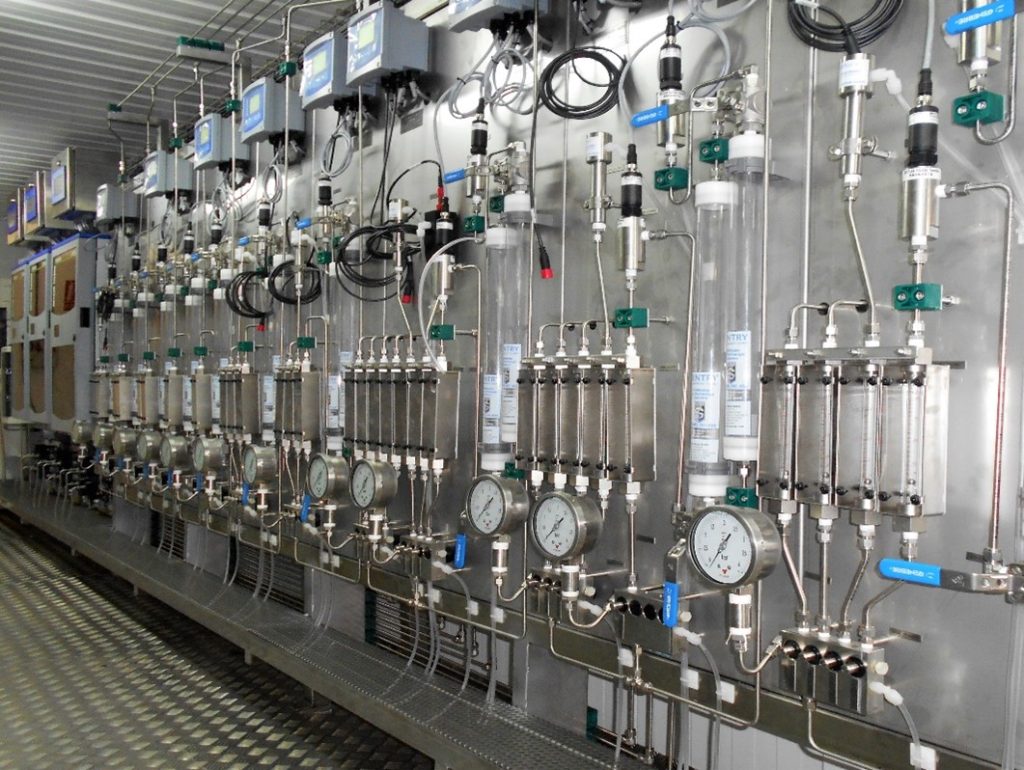
SWAS systems play a critical role in power plants and industrial facilities. By performing chemical and physical analysis of steam and water, these systems ensure the safe, efficient, and environmentally friendly operation of facilities. A welldesigned and operated SWAS system reduces operational risks, lowers maintenance costs, and extends the lifespan of facilities. Therefore, the installation and maintenance of SWAS systems are of great importance in the energy and industrial sectors.